

-
US tariffs on Indian goods
Who Pays?
1. Indian Exporters & Industries
High-impact sectors: Industries like textiles, gems & jewelry, apparel, leather, footwear, and seafood face some of the steepest costs. Concerned exporters are progressively unable to price competitively many have even frozen production for U.S. orders.
- The gem and jewelry sector worth ~$10 billion to the U.S., with 30% of output headed there is especially accessible . At SEEPZ in Mumbai, 50,000 workers risk job loss.
- Seafood, especially shrimp (which sees ~40% of its exports going to the U.S.), has been likened to a “doomsday” scenario by exporters due to steep tariffs.
- Auto components, machinery, and electronics are also under stress , though their export volumes are lower relative to other sectors.
2. Indian Economy
Multiple appraisal suggest the GDP hit could range from 0.1% to 0.8%—less severe in the short term, but not trivial:
Goldman Sachs: 0.1–0.6 percentage points
- Morgan Stanley / Jefferies: up to 0.8 percentage points if the policy persists beyond ~20 days
- PHDCCI and Chief Economist of Infomerics suggest only modest short-term impacts (~0.1–0.2 pp), citing flexibility from domestic manufacturing and demand.
- The rupee has weakened, increasing import costs (especially for oil) and fueling inflation.
- Financial markets have seen negative attitude, with foreign investors pulling capital and leading to short-term dryness

Who Gains—or Could Gain?
1. U.S. Consumers and Manufacturers
Some domestic U.S. firms—particularly in manufacturing and technology sectors—may gain from reduced competition due to rising Indian export prices.
2. Indian Domestic-Focused Industries
Indian sectors more oriented toward the domestic market or allied with self-reliance efforts (like defense infrastructure, agriculture, and certain IMFL brands) may benefit, as investment and demand shift inward. Consequently, select stocks in these sectors have shown increased interest.
3. Supply Chain Diversion
As U.S. tariffs make goods from China and other affected nations more expensive, Indian companies in sectors like electronics, automotive parts, chemicals, and pharmaceuticals may find new opportunities to fill gaps.
However, this potential gain is conditional on India enhancing competitiveness and supply reliability.
Final Thoughts
Cost burden falls initially on Indian exporters and, secondarily, on the broader economy through GDP drag, inflation, and rupee depreciation.
Potential winners aren’t guaranteed—domestic-focused sectors may benefit, and strategic supply chain shifts could offer new export avenues, but these require fast adaptation and trade diversification.
Going forward, negotiation outcomes and possible bilateral trade deals will be critical in determining whether the losses can be averted or mitigated.
Posted inCountry News
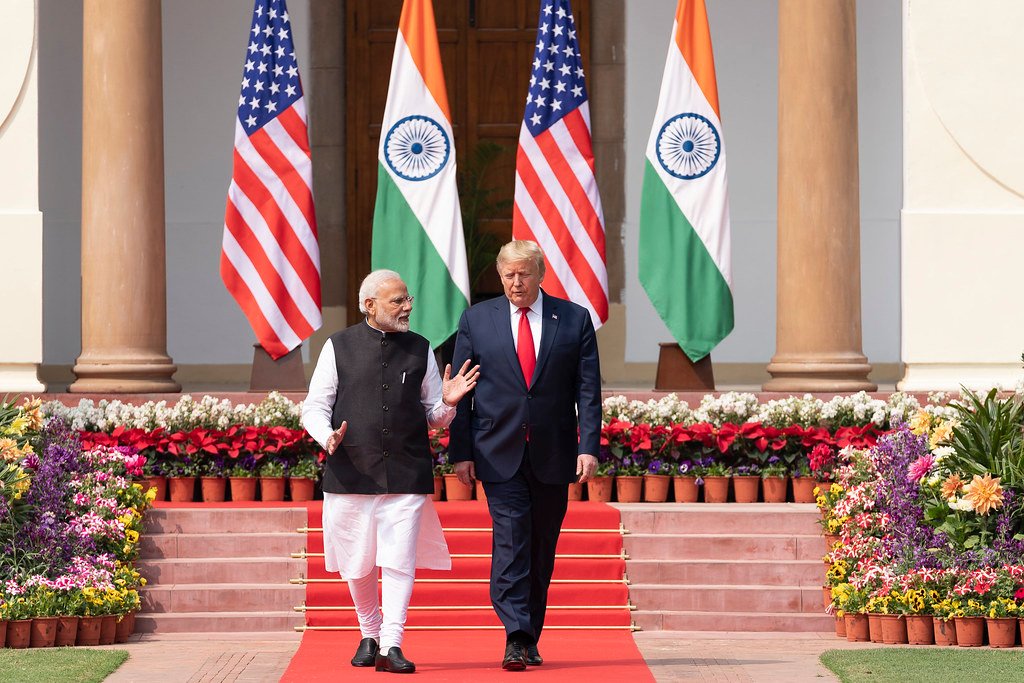
Who pays and gains Trump tariffs India

Post navigation
Previous Post
 Electrical Engineering Course Details
Next Post
Toyota 4Runner 2025 model